
Hello & Intro
Welcome to a comprehensive look into the world of Australian free pokies. If you’ve ever been curious about playing online slot machines without spending a single dollar, you’re in the right place. Our journey will cover everything from the basics of free pokies to special bonuses, mobile apps, and tips for maximizing your entertainment. Let’s dive in and explore how these games continue to captivate players across Australia and beyond.











More Opportunities
Another avenue for turning free play into real money is through tournament participation. Some websites arrange leaderboard competitions where everyone starts with a virtual balance. Over a set duration, participants aim to rack up the highest overall win on select games. The top scorers may receive tangible prizes or actual funds credited to their accounts. While these events vary in frequency, they can be an exhilarating way to enhance your spinning sessions. Additionally, consider looking into VIP or loyalty reward schemes. The more you play—even in free modes on certain platforms—the more points you might accumulate. Accrued points often unlock bonus cash, free spins, or other perks that further expand your gaming horizons. Although the idea of loyalty might sound contradictory to free play, many online casinos encourage engagement across various game modes, seeing it as a path to building a lasting relationship with you as a player.
For those keen on exploring the full spectrum of what online casinos can offer, there are numerous other no deposit opportunities, free spins packages, and loyalty programs that cater to both new and experienced players. By capitalizing on these promotions, you can stretch your gameplay while still keeping your spending in check. Many platforms revolve around introductory offers designed to highlight particular games. For instance, an online casino might showcase a hot new pokie by issuing online pokies free spins to newly registered members. This lets the company promote fresh releases while giving players the thrill of trying something innovative at no cost.
Some gamers also explore the world of cryptocurrency when it comes to making withdrawals. Even if you start out purely on free pokies, you might claim winnings through a no deposit bonus and later decide to cash out. With digital currencies like Bitcoin, Ethereum, or Litecoin, transactions are fast, secure, and come with fewer fees. If you’re privacy-conscious, crypto withdrawals can be a game-changer, as they typically involve minimal personal data exchange. Lastly, keep an eye out for random giveaways or surprise rewards. Certain platforms reward consistent logins or weekly check-ins with small credit boosts or free spins on new games. Over time, these perks add up, giving you additional ways to savor free pokies australia sessions. The online gaming sphere is dynamic, so the more informed you stay, the higher your chances of stumbling upon worthwhile offers that enhance your experience.
Australian Pokies










Free Pokies
Definition and Basics. Free pokies are digital slot games you can play without placing real-money wagers. They mirror traditional slot machines found in brick-and-mortar casinos but remove the financial risk.
Where to Find Them. You can play free pokies online on specialized gaming sites, in social casino apps, or via demo modes in many online casinos. Accessibility is one of their main attractions.
Perfect for Beginners. Free pokies let newcomers learn game mechanics, paylines, and bonus features at a comfortable pace. You can practice strategies or just enjoy the reels without depleting your wallet.
Testing Game Variety. Do you like Egyptian-themed slots or prefer modern adventures? Free pokies allow you to explore countless genres and software providers. From classic 3-reel titles to feature-packed video slots, there’s something for everyone.
Entertainment Value. Even if you’re not interested in gambling, these slots provide fun themes and interactive elements. The visual and audio cues are designed to immerse you in a mini-adventure each time you hit “Spin.”
Transition to Real Play. If you ever decide to play for money, your experience with free pokies helps you understand real-game dynamics. You’ll be well-prepared when you step into the world of free pokies australia sites that also feature real-money modes.
Why They’re Risk-Free. By using virtual credits instead of actual cash, these games enable you to spin reels, trigger bonus rounds, and explore features without losing a cent.
No Deposit Needed. Since you’re not wagering real money, you can get started instantly. There’s no deposit required, and no complicated sign-up process if you opt for dedicated free-pokie platforms.
Advantages
- Wide scope of casino entertainment.
- Understandable interface.
- Generous bonuses.
- Advanced security measures for player data.
- Mobile compatibility for gaming on the go.
- Responsive user aid.
Mobile app
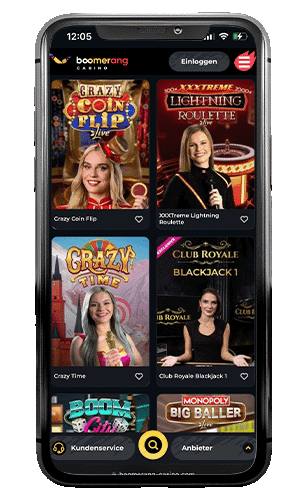


A Mobile app brings free pokies right to your fingertips. Whether you’re commuting or relaxing at home, you can instantly load up your favorite slot games on your smartphone or tablet. Many apps feature sleek designs, quick loading times, and user-friendly interfaces, ensuring that the transition from desktop to mobile is seamless. Plus, you can still explore bonus rounds, free pokies games in demo mode, and even limited promotions—all accessible with just a few taps.
Extended Insights
One of the standout benefits of free pokies is the sheer variety of themes, reels, and bonus mechanics that developers continually churn out. Let’s look at a few notable titles that capture players’ imaginations, even in free mode:
- Starburst by NetEnt remains a timeless classic, lauded for its cosmic visuals and straightforward gameplay. Beginners adore its uncomplicated mechanics, while veterans find the expanding wilds a delightful, fast-paced way to chase virtual wins.
- Wolf Gold from Pragmatic Play immerses you in the rugged wilderness of North America. Not only does it feature captivating graphics and a wildlife theme, but it also offers special money respins and jackpots that keep adrenaline levels high.
- Gonzo’s Quest, also by NetEnt, introduces players to cascading reels. Every winning spin triggers a chain reaction where new symbols fall into place, potentially generating multiple consecutive wins in a single round.
- Mega Moolah, a Microgaming creation, is famous for colossal jackpots. Though you can’t usually win those progressive prizes in free mode, trying the demo helps you understand how the paytable and special features function, setting you up nicely if you transition to real-money play.
- Book of Ra transports you to ancient Egypt with expanding symbols that can lead to spectacular free spin rounds.
- Buffalo Blitz by Playtech takes you straight to the American plains, armed with 4,096 ways to win. Though the free version won’t net you real money, it showcases how high-volatility games can deliver massive potential payouts.
- Cleopatra from IGT is a perennial favorite that has stood the test of time in both physical and virtual casinos. Its Egyptian setting, free spins, and multipliers continue to enthrall new generations of slot enthusiasts.
These popular pokie games represent a fraction of what’s out there. Many developers, from established powerhouses to emerging studios, compete by introducing new storylines, compelling characters, and innovative reel mechanics. The best part is you can sample practically all of them for zero cost, helping you hone your preferences. Maybe you love the mythology theme, or you prefer modern, tech-inspired slots with advanced bonus sequences. There’s no shortage of creative offerings in the realm of free pokies games.
When choosing a game, you might also consider metrics like Return to Player (RTP). Though it’s more relevant in real-money contexts, RTP percentages provide insight into the theoretical payback over an extended period. Higher RTP games may offer somewhat better winning odds, but in free mode, this primarily matters if you’re testing titles you might later play with an actual bankroll.
Ultimately, free pokies let you embrace the entertainment aspect without the financial stress. Many Australian players find that spinning reels online becomes a casual pastime—much like flipping channels on the TV. The surge of excitement each time you land a winning combination or trigger a bonus game can be quite addictive, but it’s harmless fun when playing in demo mode. Just be mindful that if you shift to real-money play, those same enthralling features come with genuine stakes.
Quick Tips
- Read Terms Carefully: Whether it’s a free $50 pokies no deposit sign up bonus Australia or a general free spins deal, understanding the fine print is crucial.
- Test Different Games: Don’t limit yourself to one or two slots. Sampling a broad range helps you find the best fit.
- Use Demo Modes: Even if a deposit is needed later, you can almost always access a demo to familiarize yourself with gameplay, pace, and special features.
- Pace Yourself: Long play sessions can be fun, but take breaks to maintain a fresh perspective and better evaluate your choices.
Explore Multiple Sites: Online casinos vary in bonuses, game libraries, and user experience. Checking out several platforms can lead you to better offers and more enjoyable games.
Free Online Pokies
Free online pokies are a cornerstone of Australia’s gaming scene, reflecting the nation’s long-standing affection for slot machines. While Australians are famous for their vibrant pub culture and land-based clubs filled with “pokies,” many have discovered that playing these games online offers unmatched convenience and variety. With just a smartphone or computer, you can dive into an array of virtual slot machines, featuring diverse themes, paylines, and bonus structures. One major advantage of free online pokies is accessibility. You can explore them from anywhere, be it the comfort of your home or on the go. Gone are the days when you had to locate the nearest local venue or travel to a bustling casino floor. Instead, you can simply fire up your device, choose a game that catches your eye, and spin away without risking any funds. This flexibility caters to different lifestyles and schedules, making free pokies online an appealing choice for busy players or those who prefer not to gamble with real money.
The popularity of free online pokies in Australia also stems from the ability to practice and learn. Each game has unique symbols, paylines, and bonus features, and jumping right into real-money play can be intimidating. Free play options offer a stress-free way to test multiple titles without burning through any bankroll. Whether you like the classic style of a three-reel machine or the modern flair of a 3D video slot filled with immersive storylines, you’ll find a massive catalog waiting for you to explore. Moreover, the graphics and soundscapes in contemporary pokies have evolved considerably. Many software providers invest significant resources into making games visually stunning, with advanced animations and thematic soundtracks. This effort ensures that the free versions are just as exciting as their real-money counterparts—sometimes featuring mini-games, interactive bonus rounds, and even online pokies free spins built right into the gameplay. As a result, players never feel short-changed, even if they haven’t placed a single wager.
Another appeal of free online pokies is the social aspect. Numerous platforms allow players to share big “fun” wins, complete in-game missions, or chat with fellow enthusiasts. This transforms solitary spinning into a communal experience. You might find gaming websites with leaderboards or tournaments where you can compete for virtual glory. All these elements heighten the sense of achievement and engagement, even though you’re technically playing for free.
From a broader perspective, the continued innovation in free pokies is fueled by friendly competition among game developers. Reputable providers like NetEnt, Microgaming, Playtech, and others constantly strive to add fresh, creative features. The industry’s aim is simple: to keep players captivated by offering new ways to enjoy spinning reels. Even if you don’t spend real money, you still get to experience the fruits of this innovation first-hand.
Lastly, it’s important to recognize that while free pokies require no investment, they can still give you a taste of authentic casino excitement. The spinning reels, lively bonus rounds, and potential for huge (albeit virtual) wins replicate the casino atmosphere. This is precisely why Australians, known for their love of pokies, have embraced free versions so enthusiastically. They get to indulge in the fun while staying in complete control of their spending habits.
Free $50 Pokies no deposit sign up bonus Australia
1. What Is This Bonus? A free $50 pokies no deposit sign up bonus Australia is a special promotional offer from certain casinos. You receive a fixed amount of bonus funds, usually 50 AUD, credited to your account immediately after signing up.
1. Comparisons with Other Bonuses. While a free $50 pokies deal is generous, also look for free $100 pokies no deposit sign up bonus options or free spins. Each bonus type offers distinct perks.
2. How It Works? Register on a participating site -> Verify your account details -> Claim your free bonus -> You won’t need to spend any real money to test pokies, and you can potentially win real cash.
2. Potential for Real Winnings. Winning actual cash is possible if you meet the casino’s requirements. Remember, however, that luck is always a factor in slot games.
3. Who Qualifies? Often, new players can redeem these offers as part of a casino’s welcome package. Check the site’s terms to confirm eligibility, which might be limited to certain regions or age brackets.
3. Bonus Expiration. Use your bonus efficiently and within any stated timeframe. If you let it expire, you’ll miss out on the opportunity to convert those free credits into profits.
4. Wagering Requirements. Most bonuses come with a playthrough stipulation - meaning you’ll need to wager the bonus amount a certain number of times before withdrawing. Familiarize yourself with these rules to avoid surprises.
4. Optimal Game Choice. Choose slots with higher Return to Player (RTP) rates to make the most of any bonus. Although you’re playing for free initially, a favorable RTP can boost your odds.
5. Game Restrictions. Some bonuses are limited to select slots or categories. Make sure your favorite game is included. That way, you can fully enjoy the promotional funds on titles that genuinely interest you.
5. Responsible Gaming. Even though this bonus involves no deposit, responsible gaming remains crucial. Treat it as fun and not a guaranteed gateway to earnings.
6. Time Limits. Many offers expire if not used within a specific timeframe. Keep an eye on the clock to maximize your chances of converting a bonus into withdrawable winnings.
6. Other Regional Offers. Some casinos tailor promotions to specific countries, so always verify that an offer labeled for Australia is valid if you’re playing from abroad.
7. Bonus Codes. Occasionally, casinos require entering a specific code during sign-up. Missing this step can forfeit your free pokies online opportunity, so always double-check.
7. Combine Bonuses Wisely. If the casino permits, you could combine no deposit bonuses with other offers like a welcome package. This strategy may extend your playtime further.
8. Advantages for Beginners. Newcomers benefit immensely by exploring various slots without risking their wallet. It’s an excellent way to learn about paylines, bonus rounds, and game speed.
8. Mobile Redemption. Mobile apps often have the same bonus deals as desktop platforms. You can claim your $50 on the go and keep spinning wherever you are.
9. Testing the Platform. Beyond the games themselves, these bonuses let you try out the casino’s interface, customer support, and banking methods - helping you gauge if the platform fits your style.
9. Check Bonus Limits. Some sites cap the maximum winnings you can withdraw from a no deposit bonus. Make sure to read the fine print regarding withdrawal restrictions.
10. Transition to Real Play. If you enjoy your experience, you can transition to real-money play. If not, simply walk away. You’ve lost nothing but gained gaming know-how.
10. Stay Updated. Promotions change frequently. Bookmark or subscribe to casino newsletters to stay on top of new deals like free online pokies real money offers that pop up seasonally.
FAQ
Many sites let you play as a guest without registration. However, some casinos require sign-up for age verification or to comply with licensing laws. Even then, you won’t need to deposit money just to try the games in demo mode.
Normally, you cannot. Free pokies are designed for entertainment or practice. But if you use a bonus like a free $50 pokies no deposit sign up bonus Australia or free $100 pokies no deposit sign up bonus, you might be able to convert winnings to cash after meeting wagering requirements.
Yes, free pokies are generally legal and widely accessible to Australian players. Real-money online gambling may have additional regulations, but playing demos or free versions does not typically violate local laws.
You can play on most modern devices - desktop computers, laptops, smartphones, or tablets. Many sites and apps optimize their platforms to run smoothly on both Android and iOS.
In most cases, yes. Free versions usually mirror the paytable, bonus rounds, and RTP found in the real-money games. This is why they’re an excellent practice tool before wagering real funds.
Wagering requirements specify how many times you must bet the bonus amount before you can withdraw winnings. If your no deposit bonus is 50 AUD with a 20x wagering requirement, you need to place bets totaling 1,000 AUD (50 x 20) before cashing out.
Typically, no. Most free pokies require an online connection to load game data. However, some mobile apps may offer limited offline modes once games are downloaded, but this is less common.
Look for reputable online casinos with good user reviews, a wide range of games, and solid customer support. You can also explore gaming portals or forum recommendations to discover top-rated free pokie platforms.
Usually, you can play demos indefinitely. The only time constraint might be attached to specific promotional offers or time-limited free spins where you must use them before they expire.
“Free pokies” refer to demo games where no real cash is involved. “Free online pokies real money” typically indicates you’re playing with actual cash wagers or redeeming no deposit bonuses that can yield withdrawable winnings. One is purely for fun, the other carries real financial outcomes.
Final Thoughts
Free pokies continue to be a centerpiece of Australian gaming culture because they fuse convenience, entertainment, and the potential to move seamlessly into real-money play when you’re ready. The ability to test new titles, explore diverse themes, and claim promotional offers—like free pokies online bonuses or online pokies free spins—makes this option particularly attractive to players of all skill levels. Whether you’re a curious beginner or a seasoned slot enthusiast, free pokies are a risk-free way to indulge your passion. So go ahead—fire up those reels, embrace the fun, and decide for yourself if the excitement is worth transitioning to real wagers. Chances are, the thrill alone will keep you coming back for more spins.